
Medication-assisted treatment (MAT) is an evidence-based approach to treating substance use disorders that combines FDA-approved medications with counseling and behavioral therapy to reduce cravings, ease withdrawal, and support long-term recovery. The medications help stabilize the brain, while therapy addresses the thoughts, habits, and mental health conditions that contribute to addiction. Together, these elements treat the whole person – not just the substance. This article explains how MAT works, which medications are used, and what the research shows.
At Radiant Mind Psychiatry in Scottsdale, AZ, MAT is offered as part of a broader plan for addiction treatment, delivered by Jordan Reuter, a board-certified psychiatric nurse practitioner.
Addiction, clinically called substance use disorder, is a chronic brain disease – not a moral failing. Repeated substance use changes how the brain’s reward, motivation, and stress systems function, which is why willpower alone so often falls short.
MAT works with that biology rather than against it. Approved medications act on the same brain systems affected by opioids or alcohol, but in a controlled, predictable way. Instead of producing a high, they:
The “assisted” part of the name matters. MAT is not replacing one substance with another – it is the support that makes the rest of treatment possible. It is most established for opioid use disorder and alcohol use disorder, and is recognized as a first-line standard of care for both.
Treatment usually begins with a thorough assessment. At Radiant Mind Psychiatry, that starts with a psychiatric evaluation reviewing substance use history, past treatment attempts, medical history, current medications, sleep, and mental health symptoms.
Many people seeking help for addiction are also living with depression, anxiety, PTSD, or ADHD. Identifying those conditions up front changes the treatment plan – and often changes the outcome. From there, Jordan Reuter builds an individualized plan around the specific substance involved, how long it has been used, whether withdrawal management is needed, and what therapeutic support will help most.
A complete MAT plan generally includes four working parts:
Support systems matter too. We help patients connect with family, friends, and support groups that foster community and accountability.
Medication changes the chemistry. Therapy changes the patterns – and addresses the “why” behind substance use.
At Radiant Mind Psychiatry, psychotherapy is available alongside medication, in person at the Scottsdale office or by telehealth. That flexibility matters in early recovery, when consistency is more important than convenience.
There is no single MAT medication. Each has a different mechanism, and the right choice is an individualized clinical decision made collaboratively between patient and provider.
Three medications are FDA-approved for opioid use disorder.
Methadone is a long-acting full opioid agonist. It occupies opioid receptors steadily, preventing withdrawal and reducing cravings without the peaks and crashes of short-acting opioid use. A single daily dose keeps a person stable for 24–36 hours.
Buprenorphine is a partial opioid agonist. It can also block the effects of other opioids.
Naltrexone is an opioid antagonist. Rather than activating opioid receptors, it blocks them, so an opioid produces no euphoric effect – removing much of the incentive to use.
Alcohol use disorder is one of the most common and most undertreated substance use disorders. Three medications are FDA-approved.
Naltrexone works for alcohol as well as opioids. It blocks the euphoric effects and feelings of intoxication from drinking and lowers cravings – typically showing up as fewer heavy-drinking days. Available as a daily tablet or monthly injection.
Acamprosate restores the balance of neurotransmitter systems disrupted by chronic heavy drinking, easing anxiety, restlessness, and insomnia during prolonged abstinence. Taken three times daily, usually after someone has stopped drinking. Processed by the kidneys rather than the liver, making it useful for people with liver concerns.
Disulfiram blocks an enzyme needed to break down alcohol, so drinking causes an unpleasant reaction – flushing, nausea, vomiting, headache, and heart palpitations. It works for highly motivated patients, often with a family member or partner supporting daily accountability.
Medication plus therapy consistently outperforms either alone, and treating co-occurring anxiety, depression, or insomnia removes some of the strongest reasons people drink.
Decades of research support MAT, and the benefits extend well beyond reduced substance use. It is considered a gold standard of care for opioid addiction.
Even people convinced by the research have questions. These come up most often.
No. This is the most persistent myth about MAT, and it misunderstands what addiction is.
Addiction is defined by compulsive use despite harm – loss of control, cravings, escalating use, and damage to health and relationships. MAT medications, prescribed in a controlled clinical setting, do the opposite: they stabilize brain chemistry, remove cravings, and restore functioning.
Physical dependence and addiction are not the same thing. Someone taking insulin for diabetes or a beta-blocker for blood pressure depends on that medication, but no one calls it addiction. Buprenorphine and methadone can create physical dependence; they do not create the compulsive, destructive pattern that defines substance use disorder – and naltrexone produces no dependence at all. The measure of success is straightforward: is the person healthier, safer, and more functional?
There is no universal timeline, and that is a feature rather than a flaw. Some people use MAT for several months while stabilizing; others benefit from years of treatment or stay on medication indefinitely – as with hypertension or asthma, ongoing treatment is a reasonable choice, not a failure. Tapering decisions are made collaboratively, based on:
If a taper is chosen, it is done gradually with close monitoring, and restarting is always an option. We prioritize continuity of care for as long as it is needed.
Most people who could benefit from MAT never receive it. The barriers are well documented: stigma, a shortage of prescribers, geographic distance, and the belief that medication is somehow “cheating” at recovery.
That gap has consequences – untreated opioid and alcohol use disorders drive overdose deaths, emergency visits, liver disease, job loss, family separation, and incarceration. Expanding access means more outpatient psychiatric providers offering MAT, telehealth options, integrated care, and language that treats addiction as a medical condition rather than a moral failing.
That is why MAT is offered directly at Radiant Mind Psychiatry alongside psychiatric evaluations and psychotherapy. Patients work with one provider – Jordan Reuter – who knows their full history, rather than coordinating between separate systems for addiction and mental health. Appointments are available in person or by telehealth.
Medication-assisted treatment combines FDA-approved medications with therapy and ongoing psychiatric care to treat opioid and alcohol use disorders. This guide shows that MAT does not trade one addiction for another, its length is individualized, and it works when co-occurring conditions, such as depression, anxiety, PTSD, or ADHD, are treated at the same time. Understanding what medication-assisted treatment is often the first step toward a plan that finally fits.
To learn more about compassionate, collaborative care at Radiant Mind Psychiatry in Scottsdale, call 602-428-0207.
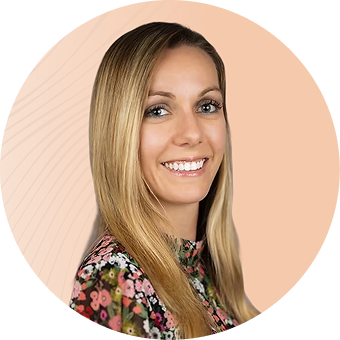
About the Author
Jordan Reuter
PMHNP, APRN — Board Certified
August 24, 2026
Discover other insightful and engaging content from our blog
You deserve psychiatric care that's thoughtful, personalized, and built
around who you are. Take the first step today.